Rasashastra and Bhaishajya Kalpana
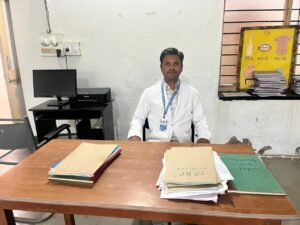
HEAD OF THE DEPARTMENT : DR PRAVEEN KUMAR TALIKOTI
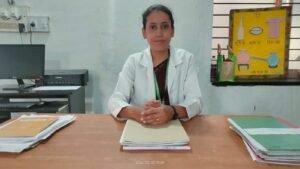
STAFF : DR HIMABINDU P – ASSOCIATE PROFESSOR
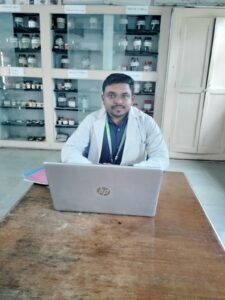
DR RAHUL PATIL- ASSISTANT PROFESSOR
The Department of Rasashastra and Bhaishajya Kalpana is a vital and specialized branch of Ayurveda that focuses on the pharmaceutical and medicinal aspects of the system. Rasashastra deals with the scientific processing, purification, detoxification, and therapeutic application of minerals, metals, gems, and toxic substances, transforming them into safe and effective medicinal forms such as Bhasma, Sindura, and Parpati. Bhaishajya Kalpana, on the other hand, is concerned with the preparation, formulation, standardization, and preservation of herbal and herbo-mineral medicines in various dosage forms such as Churna, Vati, Avaleha, Kwatha, Taila, and Ghrita.
The department integrates traditional Ayurvedic principles with modern scientific methods, emphasizing quality control, drug standardization, safety evaluation, and pharmaceutical research. Students are trained in classical pharmaceutical techniques, laboratory practices, Good Manufacturing Practices (GMP), and analytical methods to ensure the efficacy and safety of Ayurvedic formulations. The department also encourages research and innovation in Ayurvedic pharmaceutics, contributing significantly to the development of safe, standardized, and globally acceptable Ayurvedic medicines.
Infrastructure and Facilities of the Department:
The Department of Rasashastra & Bhaishajya Kalpana is equipped with essential infrastructure and modern facilities to support teaching, training, research, and pharmaceutical preparation in accordance with classical Ayurvedic principles and contemporary standards.
- Rasashastra Teaching Pharmacy
The department has a fully equipped Rasashastra Teaching Pharmacy for the safe handling and processing of metals, minerals, and toxic drugs. It contains:
Traditional उपकरण (Yantra) and apparatus such as:
Dolayantra
Patana Yantra
Kupi & Valuka Yantra
Dola Yantra
Putapaka system
Facilities for Shodhana (purification), Marana (incineration), Bhavana (trituration), and Amritikarana (detoxification)
Fireproof chambers and ventilation systems
Safety equipment including gloves, masks, exhaust systems, and fire extinguishers
These facilities help students acquire hands-on practice in preparing classical formulations like Bhasma, Sindura, and Rasayana under expert supervision.
- Bhaishajya Kalpana & Pharmaceutics Lab
This section is designed for the preparation of various Ayurvedic dosage forms:
Churna (powders)
Vati / Gutika (tablets and pills)
Kashaya (decoctions)
Avaleha (electuaries)
Sneha Kalpana (Taila and Ghrita)
Asava and Arishta (fermented preparations)
Equipment includes:
Pulverizers, mixers, sieves, hot plates, heating mantles
Capsule filling machines and pill-making devices
Filtration units and distillation setups
- Quality Control & Analysis Laboratory
The department houses a Quality Control (QC) laboratory for the evaluation and standardization of drugs:
Organoleptic evaluation (taste, color, odor, texture)
Microscopic examination of raw drug powder
Physico-chemical tests (pH, ash value, moisture content)
Modern equipment like:
pH meter
Electronic balance
Muffle furnace
This ensures adherence to GMP, AYUSH, and WHO guidelines.
*. Raw Drug Museum
Raw drug museum contains:
Crude herbs
Minerals and metals (processed samples)
Formulated medicines
*. Instrument Room
Equipped with:
Spray dryer
Ball mill
Granulators
Furnace and oven
*. Library & Digital Resources
Ayurvedic classical texts like *Rasatarangini, Rasaratna Samucchaya, rasarnava, sharangadhara, rasa prakasha sudhakara , charaka samhita ,sushruta samhita , bhava prakasha , AFI VOL I ,II,III ,Bhaishajya rathnavali ,
Institutional Vision Statement
“To emerge as a centre of excellence in authentic Ayurvedic education, rural healthcare, and evidence-based research, fostering compassionate and competent physicians who integrate classical Ayurvedic wisdom with modern scientific understanding to promote preventive, promotive, and curative healthcare for the holistic well-being of society.”
Institutional Mission Statement
1. To impart quality Ayurvedic education by integrating classical Samhita-based knowledge and traditional Gurukula values with contemporary scientific learning, clinical skills, ethics, and professionalism, thereby nurturing competent and socially responsible Ayurvedic physicians.
2. To serve rural and underserved communities through accessible, affordable, and holistic healthcare services rooted in Ayurveda, with emphasis on preventive, promotive, and curative approaches, supported by appropriate modern diagnostic tools.
3. To promote research, innovation, and scientific validation of Ayurveda by encouraging postgraduate education, faculty-led research, documentation, interdisciplinary collaboration, and publication in reputed journals.
4. To preserve, practice, and propagate authentic Ayurvedic heritage through quality clinical practice, community outreach programmes, medicinal plant conservation, and public health initiatives aligned with national health priorities.
5. To cultivate leadership, lifelong learning, professionalism, and social responsibility among students and faculty, enabling graduates to contribute meaningfully to national and global healthcare systems.